Unas palabras
Familia
Christian Fuchs
Inauguración 14 de septiembre
“Estamos de acuerdo en que juzgar otra cultura exclusivamente a través los criterios nuestra mentalidad cultural nos impide comprenderla en profundidad, a esto lo denominamos etnocentrismo. Y sin embargo interpretamos nuestro propio pasado bajo una lente que nada tiene que ver con el modo de ser-en-el-mundo anterior a la modernidad. Somos profundamente etnocentristas con aquellos que nos precedieron, no sabemos leer nuestro pasado y por este motivo no somos capaces de entender donde nos encontramos”
Samuel Loncar
1
1
La familia puede devenir tormento; lo más querido es también aquello que tiene un inigualable potencial en la fabricación de infiernos.
Nuestros padres, nuestros abuelos, nuestros hermanos, constelan los afectos y nuestra manera de relacionarnos con el mundo y el más diminuto cruce de cable puede convertirse en una refinada pesadilla.
El laberinto familiar tiene una parte vivida, visible que se mantiene a flote mientras la memoria no se quiebre, pero hay también una parte insondable, sumergida, que se remonta genealógicamente hasta perderse en la oscuridad.
Christian Fuchs tuvo la mala fortuna de padecer la peor tríada posible en su familia más cercana, locura, muerte y abandono, pero tuvo también la buena fortuna de salir adelante gracias a su abuela que le crió en una casa en Lima llena de retratos y relatos del pasado.
Fue en este anfiteatro de ancestros donde Fuchs rehizo su hogar simbólico, desplegando un amor sincero y un esfuerzo obsesivo por recuperar y comprender su historia familiar.
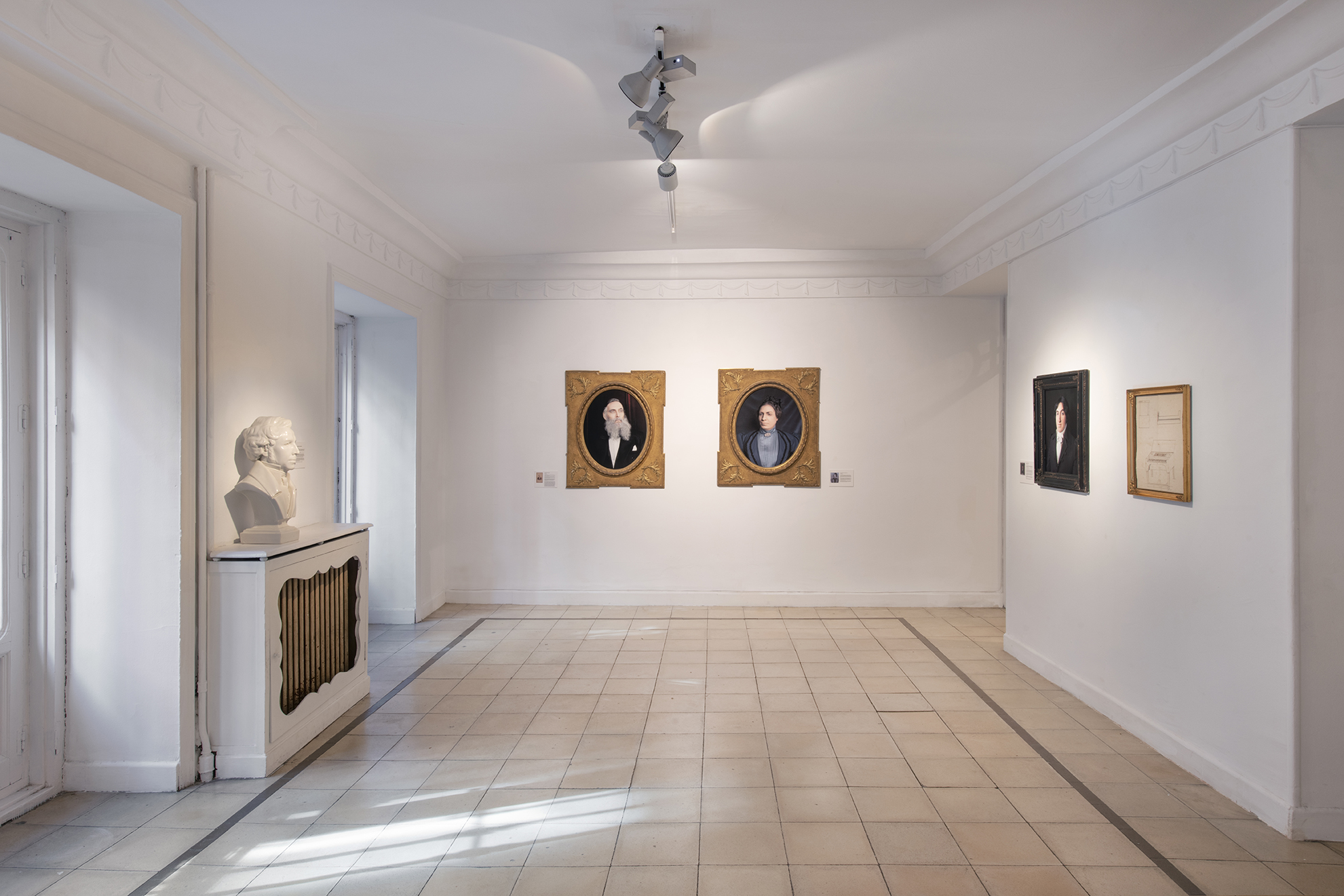
A partir de un minucioso estudio de los personajes que le precedieron y la investigación de toda clase de legajos, documentos, cartas y retratos Christian realiza una acción chamánica o performática en torno al antepasado elegido.
Durante meses lee lo que ellos leían, come lo que ellos comían y trata en lo posible de evocar o invocar al ancestro. Luego fabrica ropa de época y se traviste de su antepasado, logrando plasmar en un retrato una vertiginosa relación de contenidos.
El resultado es un singular cortocircuito, saturado de amor indescriptible, que nos invita a meditar sobre la familia sumergida y a plantearnos que posible significado tienen hoy en día aquellos que nos precedieron.
2
A lo largo de la historia de la humanidad, la familia y los ancestros han sido el eje central de nuestra identidad, para bien y para mal, los muertos eran la lente que nos permitía comprender a los vivos.
En la modernidad aparece un horizonte nunca antes experimentado, la segmentación de la realidad en ámbitos separados (religión, ciencia, trabajo, familia, amor, sexo, ocio) y todos ellos se conciben como fruto de nuestra voluntad.
Estamos obligados a decidir constantemente qué o quién queremos ser y cada vez más aspectos de la realidad están sometidos a una elección personal.
Esto significa una gloriosa liberación de las tradiciones y del pasado y su sustitución por otro tipo de jerarquías más flexibles, pero tiene el precio de que uno ha de soportar una buena dosis de ansiedad existencial, una ansiedad que se trasluce entre muchas otras cosas en la obsesión contemporánea por la identidad y el uso que políticos y mercaderes hacen de esta angustia.
En este contexto nos parece especialmente insólita e interesante la solución vital de Christian Fuchs y nos brinda la oportunidad de tratar un tema que en cierta manera se halla reprimido, que mantenemos más allá del radar de la conciencia.
Junto a Christian Fuchs, os invitamos a explorar la familia con nosotros y a participar de una exposición meticulosa, apasionante y plagada de paradojas.
Un afectuoso saludo.
Jacobo Fitz-James Stuart