Unas palabras
Paso la mayor parte del día sola en casa, sin nadie que llame a la puerta. Al principio buscaba el consuelo electrónico. Más tarde, descartado el sexo casual con el cartero, hice profesión de fe y aprendí a amar cada crujido, apreciar la música del soplete en cubierta y deleitarme, incluso, con el zas-zas de la fregona en la escalera. Son mis husos horarios, mis palabras preferidas.
Supongo —y es mucho suponer— que determinado tipo de imagen fotográfica está obligada a contar una historia, y supongo que, también, de alguna forma, el trabajo de Luis Asín debería contar algo sobre él mismo en el momento de realizarlo, aunque fuera «Estuve allí, más o menos por entonces, y quedó esto a través de mí». Narrativa o autobiografía, por algún sitio hay que empezar.
Muchas gracias por la sugerencia, pero preferimos «no». Por supuesto, se trata de una interpretación posible, y seguro que alguien se siente atraído por esas habitaciones misteriosas y reconstruye, cual forense, sus huellas a partir de pistas mínimas —números o sombras, tanto da—. Pero este argumento exigiría un plan maquiavélico y una obsesión por el discurso propio un tanto narcisista. Y nuestro hombre no es exactamente así.
Ocurre a menudo que, en arquitectura, la fotografía es (o ha devenido en) un recurso instrumental, una excusa para estetizar un objeto pragmático, y trasladarlo sin demasiadas preguntas al archivo. Puede discutirse esta afirmación pero, pese a la revolución digital o la aparición de ciertos discursos —que, justificadamente, restan importancia a la imagen elaborada—, la fotografía resiste como herramienta de puesta en limpio. Ha aceptado un papel un tanto sórdido: su única pretensión es que veamos las cosas.
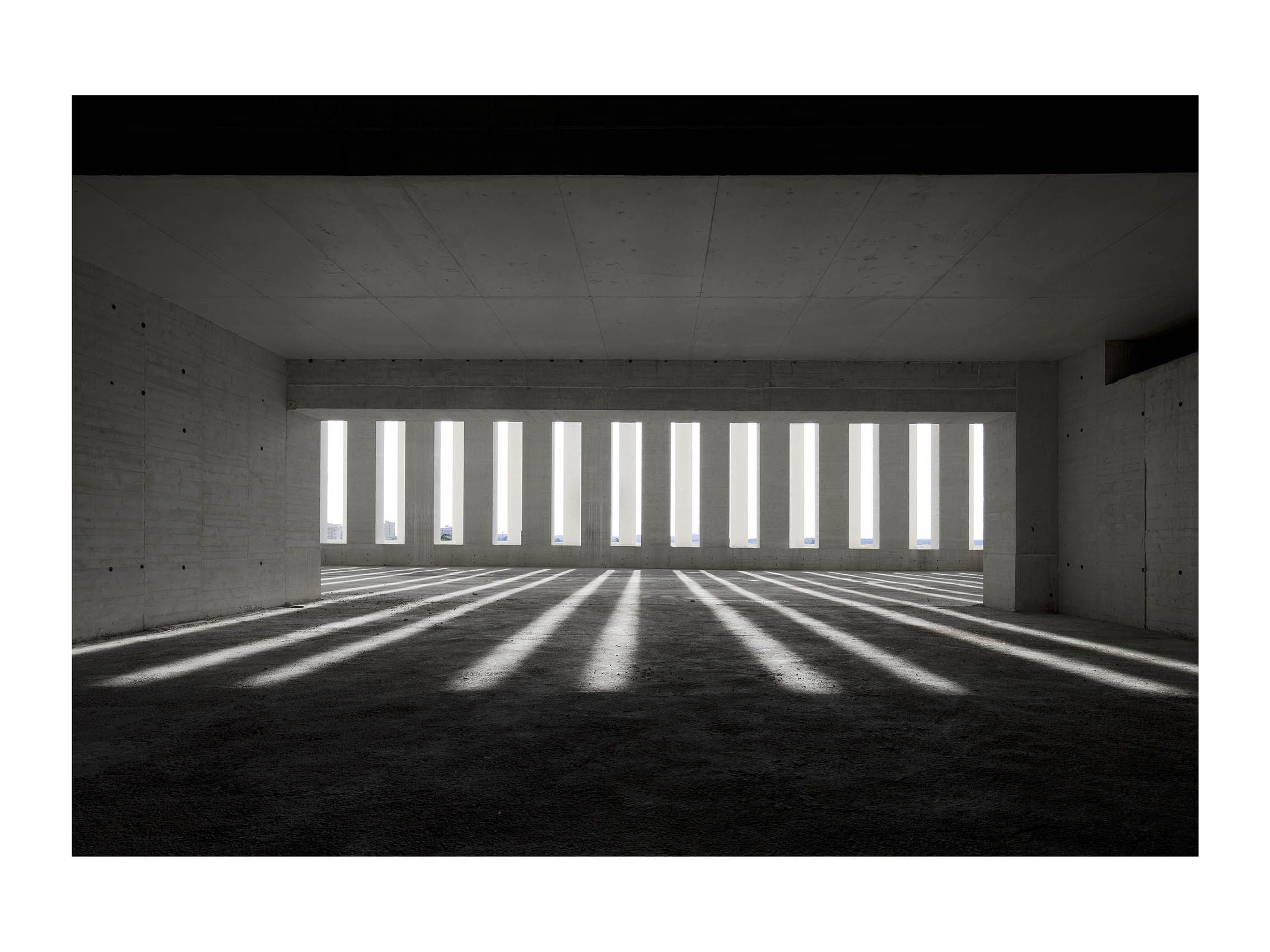
De determinada manera, si se quiere, pero las cosas so-bre-to-do. Pero es que no hay sílabas en la fotografía de Luis Asín, y tampoco tantas de esas cosas como para hacer de ello manifiesto. Acaban depositándose por eliminación, como si no hubiera más remedio, y en ocasiones ni existen. Se han perdido. Igual que una salió a por tabaco y acabó contrayendo matrimonio, Luis Asín fue a tomar una foto y se encontró, de improviso, departiendo con lo que pasaba en medio: con el tac de un reloj digital reflejado en la ventana, con el rielar de unas sombras sobre una puerta, con el cambio de luz entre dos habitaciones de la Huerta de San Vicente o el frustrado enfoque de una sombra que se marcha. La mirada de Asín tarda su tiempo —mucho— en alcanzar su objetivo, y casi podemos leer cómo va, de a pocos, cortando el espacio y clavándose al fondo del encuadre.
El tiempo, claro: Instante decisivo S.L. y otros. Podría ser el tema, pero determinada clase de puntualidad burocrática tampoco es que sea el fuerte de Luis Asín. Como buen relator de procesos, sabe que la paciencia es importante. Su tiempo, que sí existe, no es exactamente ese. Marca el minuto, lo estira y deforma hasta que pierde su sustancia y acaba concentrándose en una vuelta infinita. Nunca sabremos qué ha pasado en sus fotos ni cuándo. No importa demasiado, la verdad: no somos público, sino centinelas; sólo podemos intervenir en lo que a nosotros atañe. El observador de las fotos de Asín debería abandonar la óptica y entregarse a la física; desempolvar algunos de esos apuntes que hablaban de sistemas aislados, experimentos e intercambios termodinámicos. Si su espacio es profundo y de sección variable, el tiempo alcanza una cierta felicidad fluorescente, una ataraxia sin atributos.
El trabajo de Luis Asín nos pilla siempre en espera, anotando claroscuros y sumergidos en el líquido ambiental sin que podamos dar, aún ni nunca, el experimento por cerrado. Y cómo me excita, también, el sol. De abril a septiembre, un filo de luz entra a las ocho de la tarde por el norte y anuncia el inicio de la caza.
inmaculada maluenda / enrique encabo