Individual
El florero en flor
Jorge Diezma
01 Jul 2017
Unas palabras
Antes de la llegada de las flores, las paredes de una casa holandesa estaban desnudas; también lo estarán, siglos después, las paredes de la casa minimalista, cuando remita la fugaz exuberancia vegetal del hogar modernista. Pero entre medias se ha producido una transformación brutal: un desborde de los ciclos naturales. El excedente, el premio antiguo de la tierra para quien respeta sus tiempos, ya no se consume entre vino y fiestas; ahora, para unos pocos, es colección, adorno. El exceso ya no se ve como un desafío inmoral a la vida en común.
Sobre el lienzo, las flores dejaron de ser un juego introspectivo de lo cotidiano; no eran fragmentos de naturaleza presentados en un diálogo cerrado, en el que la mirada adivina un recorrido moral o divino. En estos cuadros, y en las paredes que adornaban, se juntaron todos los tiempos. Las flores no aparecían como el desarrollo del discurso natural; su ritmo se había alterado. Era la plasmación de una nueva tecnología, donde las estaciones han desaparecido, como en un sueño, y la flor de otoño convive con la de primavera; objetos que sólo podían verse en el lejano Oriente se veían ahora junto a aquellos del Mediterráneo. La pared, el lugar donde se reunía todo un mundo; el lienzo, una vitrina. Ya no hay recogimiento, sino recolección. En el nuevo festín universal ya no se oían el griterío, las peleas o la música de quienes sólo tienen un día para celebrar; ahora había quien podía tener el universo entero en la privacidad de lo doméstico.
Entre flor y flor dejó de haber diálogo; el color perdió cada vez más espacio. Lo importante es la catalogación, la diferencia en el archivo. El color es un cálculo, una etiqueta más; por eso incluso la negrura de un tulipán podía despertar la mayor codicia. Cada especimen debe ser identificable, cuantificable. Del dibujo del botanista -a sueldo del especulador en el nuevo mercado floral- al cuadro del pintor, ya no había tanta distancia. El cuadro ya no tiene importancia como ágape del color, no desborda y excede, sino que sintetiza, como el mejor de los métodos contables. El óleo ya no es un exceso compartido. Las horas acumuladas en el taller no eran ya un residuo natural que se cosecha y vende, sino la exhibición de una nueva técnica universal de procesamiento, en el que los prodigios del mundo ahora quedarán encerrados en el marco, como en las arcas de un banco.
Antes de la llegada de las flores, en lo trivial, en lo ropográfico, la naturaleza muerta señalaba tanto el grado cero de lo social, como el punto donde moría lo terrenal. Lo humano desaparecía ante nuestros ojos, y en su lugar se colocaba la igualdad absoluta de los objetos, como si la eternidad aguardara tras el silencio de las cosas. La vanidad de vanidades, la ilusión, consistía en pensarnos por encima del ciclo eterno en el que lo trivial y lo extraordinario perecían por igual. La flor señalaba, en un deslumbrante último álito de vida y significación, el lugar de la tumba.
Después de que acabe la primera fiebre del tulipán, cuando el futuro de las flores se haya vendido y arrancado a crédito, cuando sólo queden bancarrotas por la promesa de unos pétalos, la ilusión pervivirá en la presentación pictórica de lo fiduciario, en la que todo el mundo queda registrado, contabilizado, coleccionado... excepto la historia misma de su recolección: sangrienta, injusta, épica o trágica.
A partir de entonces, las flores del lienzo, cuando hablan de sí mismas y no del mundo y del tiempo, o cuando más adelante se contraigan o vacíen, incluso cuando recuperen el color para servir a la pintura de la pintura, lo harán en vano. Porque ya no tendrán más voz que la contable, o porque en nuestros días su color ya sólo será un fantasma más sobre la pantalla bursátil, ocultando el taller y la tierra.
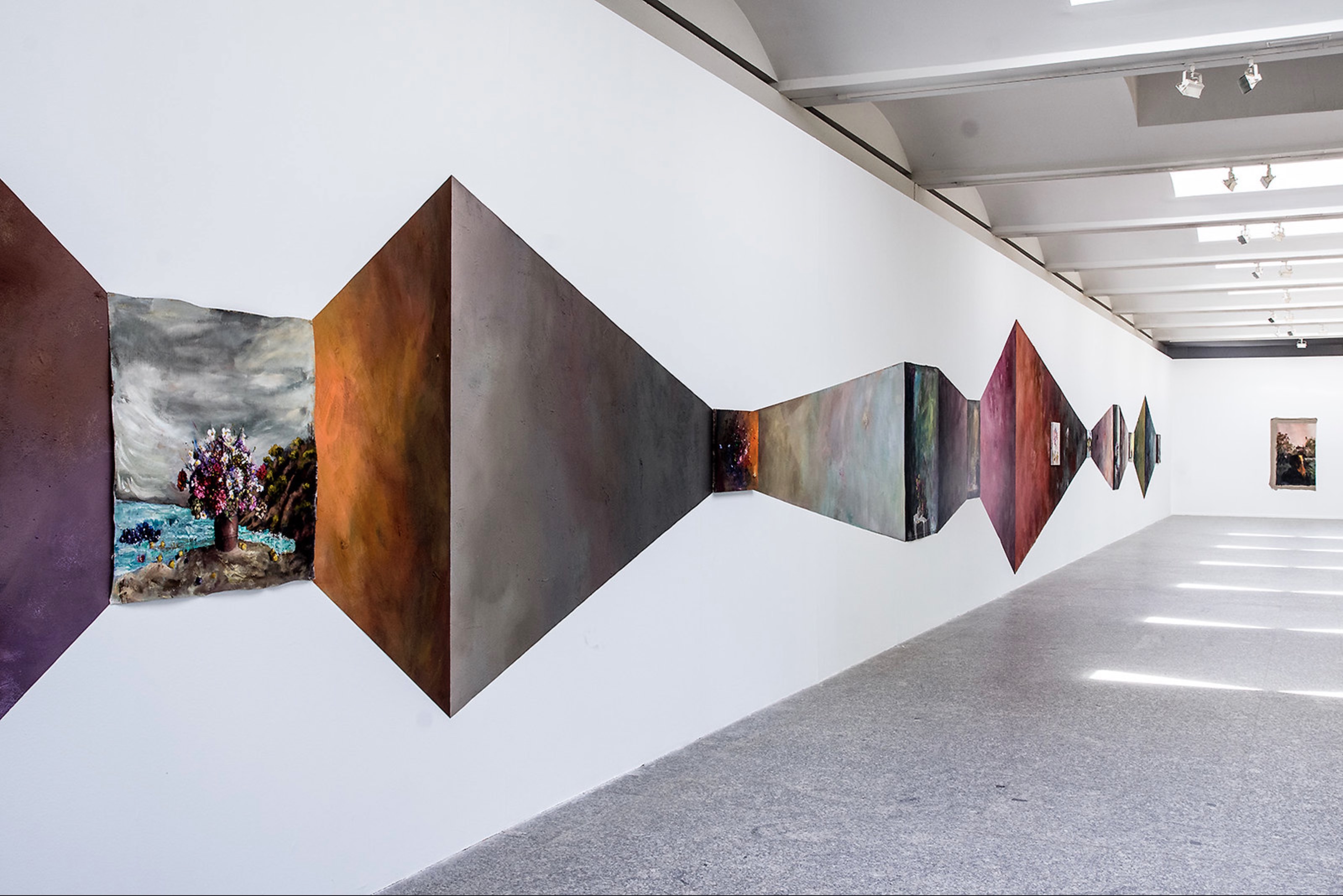
En aquellas tierras bajas, en esos días, cuando el clima golpeaba tanto como las enfermedades o el hambre, muchos aventureros de la agricultura en miniatura "buscaron en sus pequeños jardines y macetas el placer de pasear por prados y campos abiertos". Un gesto de color podía proyectarles a todo el mundo. Lamentablemente, buscando una vida mejor, apostaron contra la tierra. Jorge Diezma nos devuelve a esos hogares austeros y vacíos, al momento en que la apuesta final se perdió. Pero no para recordar la llegada del tulipán, ni el millar de pétalos traídos por compañías transoceánicas. Tampoco nos devuelve la nostalgia por el recogimiento. En esas paredes, cuando el tiempo se cobra su venganza, y ya sólo quedan pasillos y ventanales sin color; cuando no queda rastro de alguien soñando en la vigilia, alguien tenía que colocar una flor.
Antonio José Antón Fernández